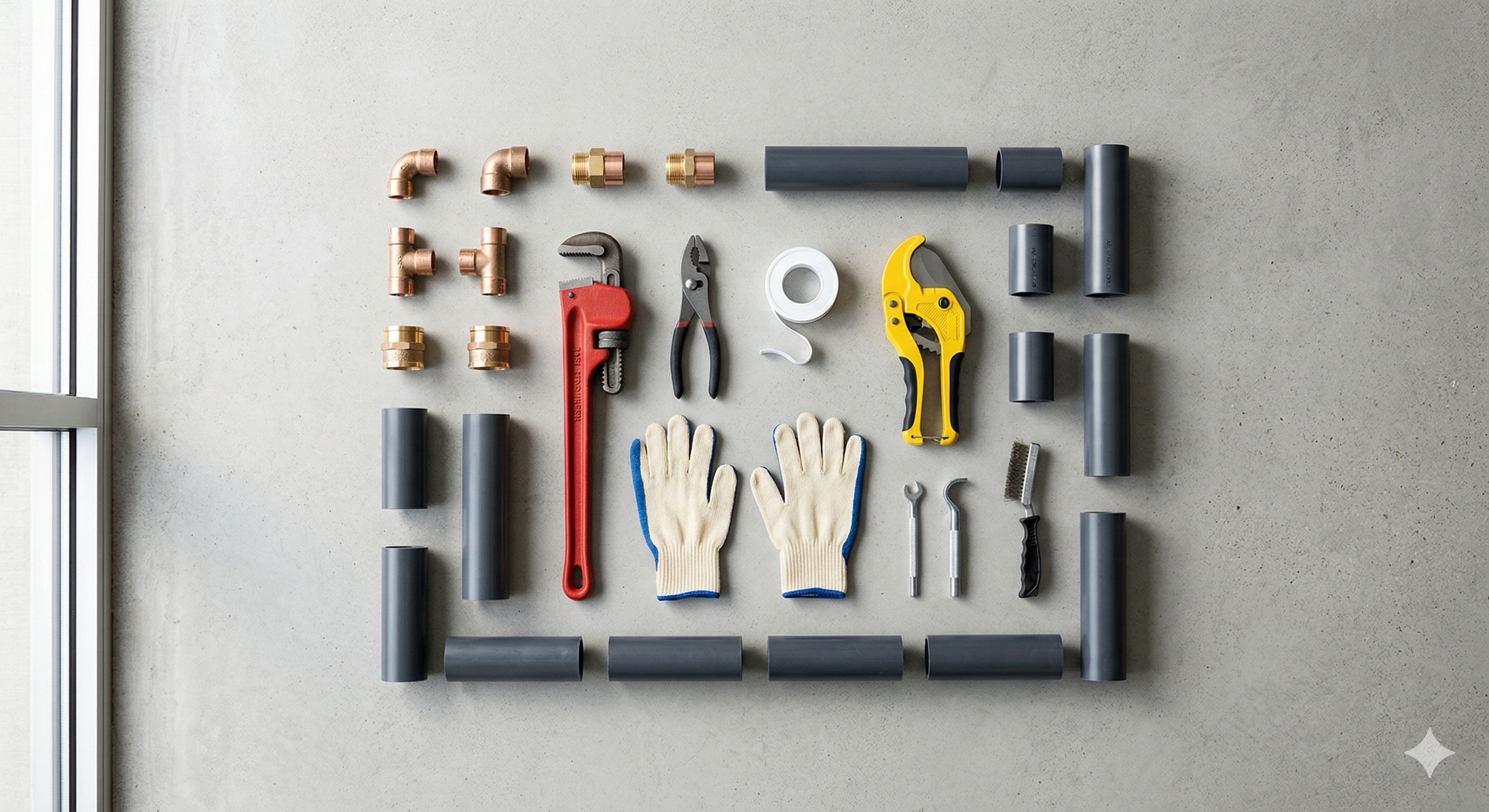
Protecting Your Zephyrhills Plumbing During Rare Winter Freezes
While Zephyrhills residents enjoy mild winters most of the time, our humid subtropical climate occasionally throws us a curveball with unexpected cold snaps. When temperatures dip below freezing, even briefly, the plumbing systems in our ranch-style homes and mobile home communities can face serious risks. Since most Zephyrhills homes were built between the 1960s and 1990s with slab foundations, protecting your pipes becomes especially critical – and repairs can be more complex when things go wrong.
The good news? With some preparation and know-how, you can safeguard your plumbing system against Florida’s rare but potentially damaging winter freezes. Whether you live in one of our established retirement communities or a newer subdivision, understanding how to protect your pipes will save you from costly repairs and the headache of dealing with frozen or burst pipes.
Understanding Freeze Risks in Zephyrhills Homes
Our local housing characteristics create unique vulnerabilities during cold weather. Most Zephyrhills homes lack basements, meaning water lines often run through crawl spaces, attics, or along exterior walls where they’re more exposed to temperature drops. The concrete slab construction that’s common throughout our area means that when pipes under the foundation freeze and burst, repairs become significantly more expensive and disruptive.
Older galvanized steel plumbing systems, still present in many local homes, are particularly susceptible to freeze damage. These aging systems, combined with our area’s hard water issues, may already have reduced water flow due to mineral buildup, making them more likely to freeze solid when temperatures drop.
The pipes most at risk include:
- Outdoor faucets and hose bibs that lack proper insulation
- Pool and spa plumbing left exposed to the elements
- Water lines in unheated garages or storage areas
- Pipes running along exterior walls especially on the north side of homes
- Sprinkler system components including backflow preventers
Essential Pre-Freeze Preparation Steps
When weather forecasts predict temperatures dropping near or below freezing, taking action early can prevent disaster. Start your preparations at least 24 hours before the expected cold snap arrives.
Outdoor Plumbing Protection:
- Disconnect and drain all garden hoses to prevent water from backing up into pipes
- Cover outdoor faucets with insulated covers or wrap them in towels secured with tape
- Shut off water to sprinkler systems and drain the lines according to manufacturer instructions
- Insulate exposed pipes in crawl spaces, garages, and along exterior walls using pipe insulation sleeves
Indoor Preparation:
- Open cabinet doors under sinks to allow warm air circulation around pipes
- Set your thermostat to maintain consistent temperature rather than lowering it at night
- Locate your main water shut-off valve so you can quickly stop water flow if pipes burst
- Keep a slow drip running from faucets connected to vulnerable pipes during the coldest hours
What to Do During a Freeze Event
Once freezing temperatures arrive, your focus shifts to active monitoring and maintaining water flow. The key is keeping water moving through your system, as flowing water is much less likely to freeze than stagnant water.
Active Protection Measures:
- Run faucets at a pencil-thin stream especially those on exterior walls
- Check pipes hourly in vulnerable areas like garages and crawl spaces
- Keep interior doors open to promote air circulation throughout your home
- Never use open flames or unattended heat sources to warm pipes
If you discover frozen pipes, don’t panic. Often, you can thaw them safely without calling a plumber in Zephyrhills immediately. Use a hair dryer, heating pad, or warm towels to gradually warm the pipe, starting from the faucet end and working toward the blockage. Never use blowtorches, propane heaters, or other open flame devices.
Post-Freeze Recovery and Assessment
After temperatures return to normal, your work isn’t finished. The thawing process often reveals damage that occurred during the freeze, and some problems may not become apparent immediately.
Immediate Post-Freeze Checks:
- Test all faucets and fixtures to ensure proper water flow and pressure
- Inspect visible pipes for cracks, bulging, or other signs of freeze damage
- Check your water meter for unusual activity that might indicate hidden leaks
- Look for water stains on ceilings, walls, or around fixtures
- Monitor your water pressure over the next few days for sudden drops
Signs You Need Professional Help:
- No water flow from faucets after pipes should have thawed
- Unusual sounds like whistling or banging from pipes
- Visible pipe damage including cracks, splits, or bulging sections
- Unexplained water appearing in your home or yard
- Sudden drops in water pressure throughout your plumbing system
Given Zephyrhills’ slab foundation construction, underground leaks require immediate professional attention. Delaying repairs can lead to foundation damage and significantly higher costs.
Long-Term Freeze Protection Strategies
While we can’t predict exactly when the next freeze will hit Zephyrhills, we know it will happen eventually. Investing in permanent protection measures makes sense, especially for older homes with vulnerable plumbing configurations.
Permanent Improvements:
- Install frost-proof outdoor faucets to replace standard hose bibs
- Add pipe insulation in crawl spaces, attics, and other exposed areas
- Upgrade old galvanized pipes which are more freeze-prone than modern materials
- Install automatic shut-off valves for sprinkler systems with freeze sensors
- Consider pipe rerouting for extremely vulnerable sections during major renovations
Seasonal Maintenance:
- Replace worn pipe insulation before winter months arrive
- Service your heating system to ensure consistent indoor temperatures
- Clean gutters and downspouts to prevent ice dams that can affect nearby pipes
- Trim vegetation that might block access to outdoor shut-off valves
Conclusion
Protecting your Zephyrhills plumbing from freeze damage doesn’t require extensive technical knowledge, but it does demand preparation and prompt action. By understanding your home’s vulnerabilities and taking appropriate preventive measures, you can avoid the expense and disruption of freeze-related pipe damage.
Remember that while many freeze protection steps are DIY-friendly, some situations require professional expertise. When dealing with burst pipes, especially in slab foundations common throughout our area, attempting repairs yourself can lead to more extensive damage.
Need professional help with freeze damage or want to discuss permanent protection upgrades for your home? Call The Zephyrhills Plumber at (813) 696-6460.
Need Professional Help?
If you're experiencing plumbing issues in Zephyrhills, our licensed plumbers are ready to help.
Call Now: (813) 696-646024/7 Emergency Service Available